Author: Site Editor Publish Time: 2026-10-28 Origin: Site

When sourcing railway wheels, buyers may receive significantly different quotations from different suppliers. Why might two suppliers quote different prices for wheels with seemingly similar specifications? The difference does not necessarily mean that one supplier is overcharging or that another is compromising on quality. In many cases, the quotations reflect differences in manufacturing processes, material requirements, order quantities, technical standards, and delivery terms.
Understanding these factors can help buyers evaluate quotations more effectively, identify the reasons behind price differences, and make informed purchasing decisions.
The manufacturing process is an important factor affecting railway wheel prices. Forging and casting involve different production methods, equipment, and process controls, which can lead to differences in manufacturing costs and product characteristics.
Forged railway wheelsare manufactured by applying compressive forces to heated steel billets or other suitable starting materials. The process shapes the metal and can provide favorable mechanical properties when the material, forging process, and subsequent heat treatment are properly controlled. Forging equipment, energy consumption, process control, and machining requirements all contribute to the final cost.
Cast railway wheels are produced by pouring molten metal into molds and allowing it to solidify. Their manufacturing costs and production characteristics depend on the casting method, material, tooling, quality controls, and finishing requirements.
Neither manufacturing method should be evaluated on price alone. The appropriate wheel type depends on the vehicle design, operating conditions, applicable technical standards, and specified performance requirements. Buyers should confirm that the proposed product and manufacturing method are suitable for the intended railway application.
When comparing quotations, it is important to establish whether the suppliers are offering the same type of wheel and whether their products meet the same technical requirements.
Railway wheels are not all made from the same steel grade. Material composition, mechanical properties, heat treatment, and surface treatment requirements can all affect manufacturing costs.
For example, AAR M-107 covers forged railway wheels and specifies relevant technical requirements. Depending on the applicable wheel class and specification, manufacturing may involve controlled rim heat treatment, tempering, and other required processes. Additional operations, such as shot peening, may also be specified for applicable products.
These processes require suitable equipment, energy, production time, and quality control. Their cost depends on the wheel design, material, production route, and applicable requirements.
A quotation for a railway wheel should therefore identify the relevant material grade and technical specification, as well as any required heat treatment and surface treatment. Buyers should also confirm that the supplier can provide the inspection records and documentation required by the project.
A lower quotation does not automatically indicate inferior quality, but differences in material or process requirements should be investigated before comparing prices directly.
Wheel dimensions have a direct influence on material consumption and manufacturing workload. However, diameter alone does not determine the final price.
Important factors include:
Wheel diameter and overall geometry: Larger or more complex designs may require more material and additional processing.
Rim dimensions and wheel profile: Rim thickness, web geometry, and other design features affect material consumption and machining requirements.
Finished weight and machining allowance: The starting material must account for the material removed during machining.
Dimensional tolerances: Tighter tolerances may require more precise machining, additional inspection, and greater process control.
Two railway wheels with the same nominal diameter may therefore have different manufacturing costs if their drawings, material requirements, finished weights, or tolerances differ.
Raw material prices are another important consideration. Changes in steel prices can affect production costs, while energy consumption and machining time also contribute to the final quotation.
For an accurate comparison, buyers should provide the same technical drawing or complete specification to each supplier rather than comparing products by diameter alone.
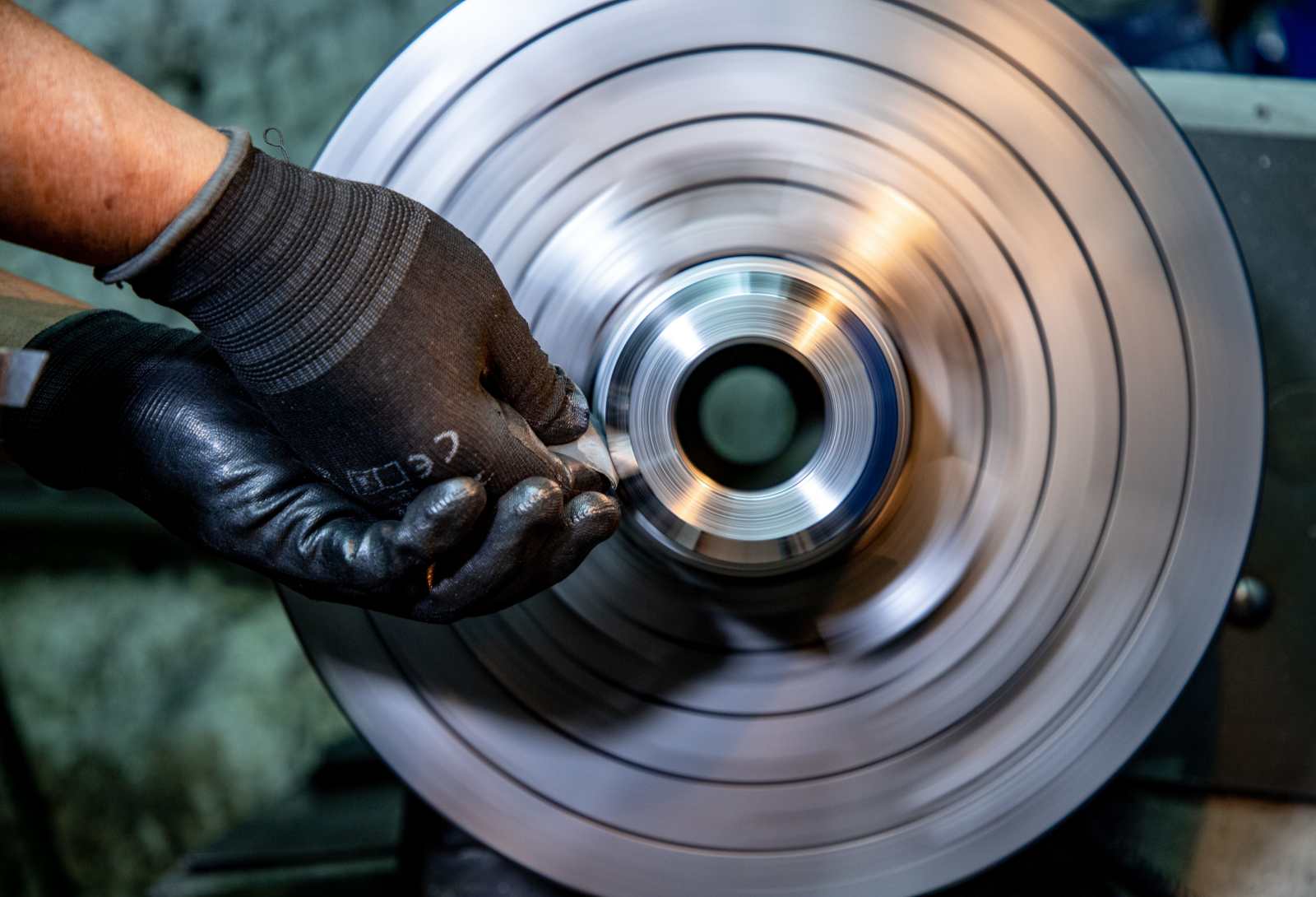
Order quantity is another important factor in railway wheel pricing.
Larger orders may allow manufacturers to distribute certain fixed costs, such as production preparation, tooling setup, and inspection preparation, across more units. Repeated production of the same specification may also improve production efficiency.
Smaller orders, by contrast, may involve a higher unit cost because setup, tooling, documentation, and other preparation expenses are spread across fewer products. However, the actual price difference depends on the manufacturing process, production capacity, and order requirements.
Contract terms also matter. Long-term agreements may provide greater price predictability, while quotations for individual orders may reflect current material costs, production schedules, and the supplier's quotation validity period.
When comparing prices, buyers should confirm the quantity, delivery schedule, price validity, payment terms, and whether the quotation includes any tooling or production preparation charges.
Technical standards and inspection requirements can have a significant impact on railway wheel prices.
Different railway systems, vehicle designs, and operating environments may require different material properties, manufacturing controls, dimensional tolerances, and inspection procedures. The applicable requirements should be identified before suppliers prepare their quotations.
For example, AAR M-107 addresses forged railway wheels, while AAR M-208 addresses cast railway wheels. The applicable specification and edition should be confirmed for the product concerned. Depending on the requirements, production may involve specific heat treatment controls, mechanical testing, nondestructive testing, product marking, traceability, and inspection documentation.
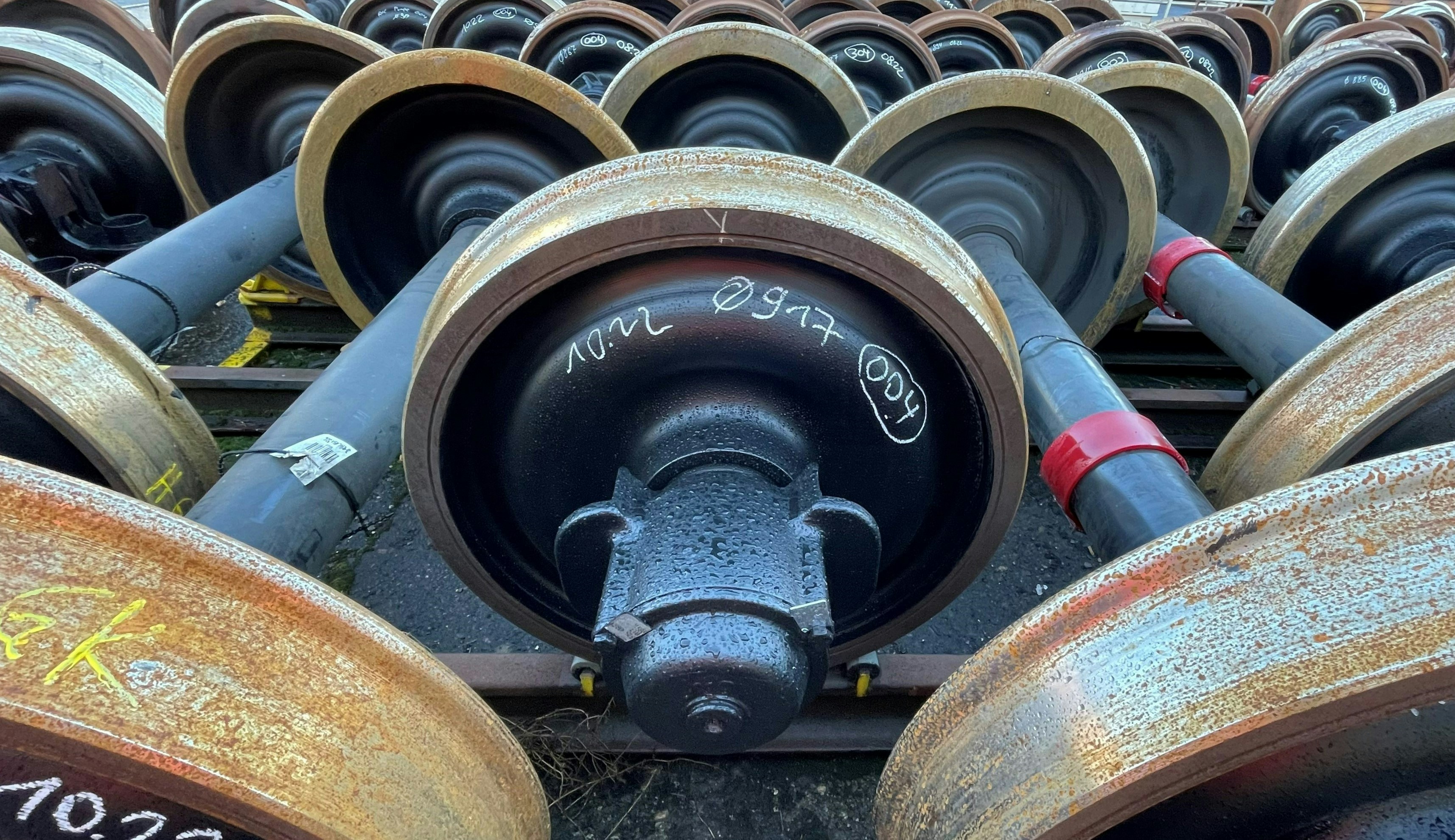
These activities require qualified personnel, suitable equipment, production records, and quality management. Their cost depends on the scope of the required inspections and documentation.
Buyers should distinguish between a product's compliance with a technical standard and a manufacturer's management system certifications. These are related but not interchangeable.
Import duties, taxes, and any applicable trade measures may also affect the buyer's total landed cost. Such charges depend on the destination market, product classification, origin, and applicable trade rules rather than on the manufacturing process alone.
A quotation may include more than the railway wheel itself. Differences in service scope can explain why two suppliers offer different total prices.
Depending on the project, additional costs may include:
Inspection and documentation: Required inspection reports, material certificates, or nondestructive testing records.
Customized manufacturing: Special machining, nonstandard dimensions, or project-specific requirements.
Packaging: Protective materials, export packaging, and suitable securing arrangements for transportation.
Delivery arrangements: Inland transportation, port handling, ocean freight, and other logistics services, depending on the agreed delivery terms.
Lead time: Expedited production or delivery arrangements, where available, may affect the price.
Payment terms: Payment methods, financing arrangements, and contract conditions can influence the overall commercial offer.
Not every quotation includes the same services. For example, an ex-works quotation and a quotation that includes international freight cannot be compared directly without accounting for their different delivery scopes.
Before making a decision, buyers should confirm the inspection requirements, packaging method, delivery destination, agreed Incoterms, lead time, and payment terms.
Understanding the factors that influence railway wheel prices helps buyers evaluate whether a quotation matches the product and service requirements of a project.
If one supplier quotes a significantly lower price than another, the difference may be related to order quantity, material specifications, manufacturing processes, inspection scope, packaging, or delivery terms. It is important to clarify these details before drawing conclusions about the quality or competitiveness of either quotation.
A practical comparison should cover:
Product specifications: Confirm that the drawings, dimensions, material grades, and tolerances are consistent.
Manufacturing requirements: Verify the specified manufacturing process and any required heat or surface treatments.
Quality assurance: Compare applicable standards, inspection requirements, traceability, and documentation.
Commercial terms: Check order quantity, price validity, payment terms, and delivery schedule.
Total delivered cost: Consider packaging, transportation, duties, taxes, and other applicable charges.
The lowest unit price does not always represent the lowest overall purchasing cost. Product suitability, consistent quality, reliable delivery, and responsive technical support should also be considered.
Choosing a suitable railway wheel supplier involves more than comparing prices. Buyers need to understand what each quotation includes and whether the proposed product meets the technical and operational requirements of the intended application.
Ma'anshan Tianjun Machinery Manufacturing Co., Ltd. (MTJ) manufactures and supplies railway wheels, axles, and wheelsets for freight, passenger, urban rail, and industrial applications. We serve customers in multiple overseas markets and work with project-specific product requirements.
Our approach is to provide quotations based on the specified product, technical requirements, order quantity, and agreed delivery scope, helping customers understand what is included in their purchasing costs.
If you are comparing railway wheel quotations or sourcing products for an upcoming project, share your technical drawings, required standards, order quantity, and delivery destination with us. Our team can review your requirements and discuss a suitable solution.
Contact us to discuss your railway wheel requirements.
Disclaimer: This article provides general information about factors that influence railway wheel prices. Actual quotations depend on product specifications, manufacturing requirements, order quantities, commercial terms, and market conditions. Technical standards and their applicable editions should be verified for each project. This article does not constitute a specific price offer or an assessment of any individual supplier.